


Dax
Rich in Basque and Landes heritage and traditions, the town of Dax offers holidaymakers a whole range of typical Landes pleasures. Whether you love history, architecture, wellness, gastronomy and festivities against a backdrop of tradition, or are simply curious to discover the culture of the Landes region, Dax has everything you need to make your visit as unforgettable as it is exotic.
A popular spa town, Dax has been renowned for its hot waters since ancient times. In Roman times, they were known as Aquæ Tarbellicæ, meaning “waters of the Tarbelles”, due to their abundance and properties.
This particularity has become a veritable symbol of the town of Dax, which can be seen in La Fontaine chaude (or Nèhe spring), an emblem of thermalism and the Gallo-Roman past.
Today, visitors to Dax on vacation in the Landes region can take advantage of their stay to discover this monument and indulge in the pleasures of the thermal waters.
Just 45 minutes from the EUROSOL **** campsite, immerse yourself in Dax’s Gallo-Roman heritage with must-see tours of the ramparts, the archaeological crypt (remains of a Gallo-Roman building) and the Musée de Borda, which recounts the city’s ancient history.
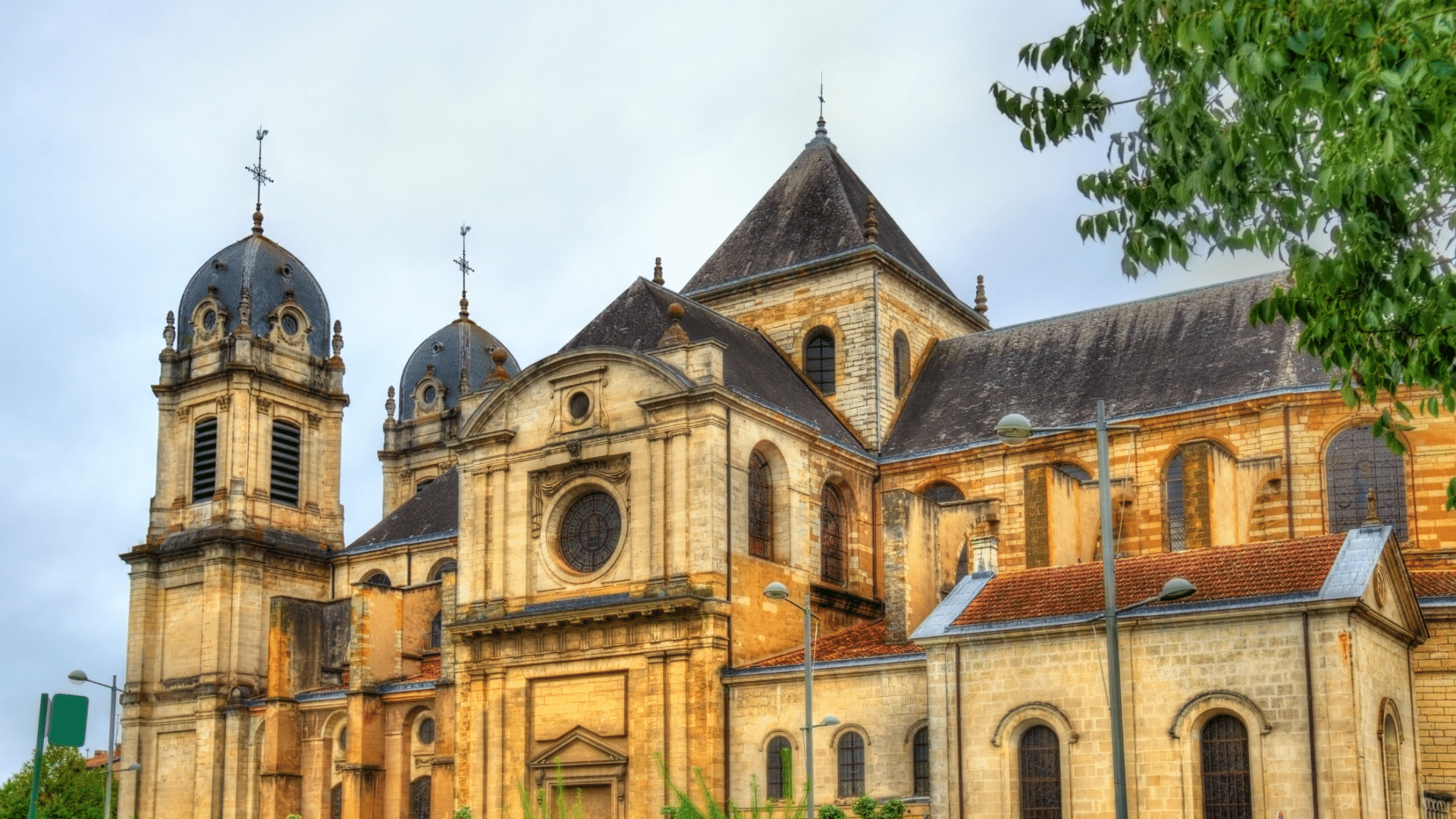
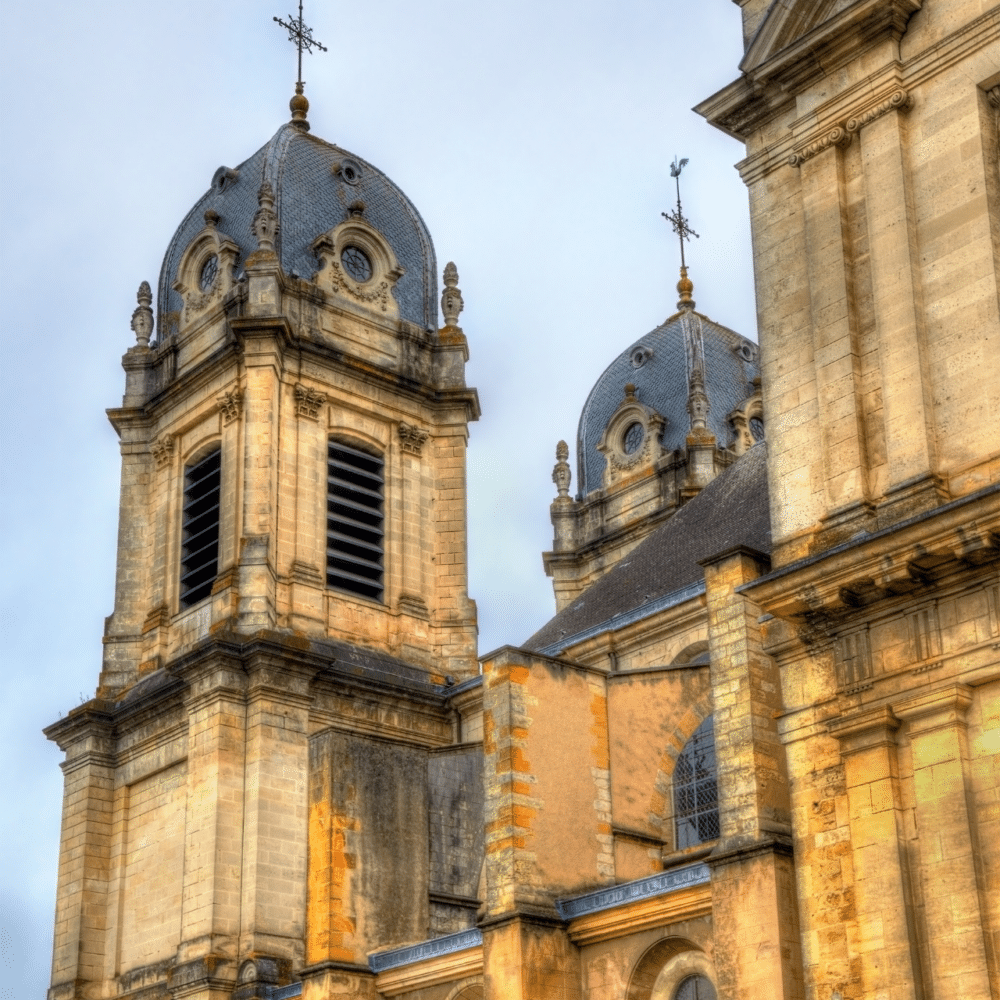
Other more recent historic buildings are also worth a visit, such as the Notre-Dame cathedral, the Atrium (an Art Deco-style auditorium) and the Dax arena, famous for being the venue for the Férias de Dax!
The jewelsof Dacqua’s heritage
Dax is one of the oldest towns in the Landes region, founded by the Romans around the 1st century AD as Aquæ Tarbellicæ. Awarded the Ville d’art et d’histoire label, Dax is home to a significant Gallo-Roman heritage. Starting with the ramparts, built in the 4th century. Originally 8 to 10 meters high, they encircled the heart of the town, flanked by 38 watchtowers. The most visible Gallo-Roman footprint is to be found around Place Saint-Pierre and the Parc Théodore Denis, which runs along the river to the arena.
You’ll also want to visit the archaeological crypt, a treasure “hidden” in the bowels of Dax. These are the remains of a Gallo-Roman civil basilica dating from the 1st or 2nd century AD. A secret visit to be complemented by a visit to the Musée de Borda, dedicated to the archaeology and history of Dax. Dax also boasts a remarkable religious heritage. These include Notre-Dame Cathedral and its superb Apostles’ Portal, andSaint-Vincent-de-Xaintes church, which boasts a splendid 5th-century mosaic.
We then step back in time to the 1920s to discover the Art Deco monuments that adorn the banks of theAdour: Jean Nouvel‘s Thermes, the Hôtel Le Splendid and theAtrium auditorium take visitors back to the Roaring Twenties.
A city renowned since Antiquity
Located 40 km from Camping Eurosol, Dax is an ancient Roman city with a history spanning two millennia. The ancient capital of the Chalosse region is a blend of styles, eras and cultural influences: Gallo-Roman ramparts, 17th and 18th century buildings, Art Deco edifices, Andalusian-inspired arenas and street-art frescoes in the inner city give the spa town a unique cachet.
The Dax bullring
Built in 1913 by architect Pomade, the Dax bullring is one of the largest in the Landes region. The Andalusian style here evokes the great plazas of southern Spain(Seville, Cordoba, Granada…). The arenas welcome up to 8,000 spectators to watch bullfights, Landes races and other traditional bullfighting games.
The bullring can be visited all year round. A chance to discover the bullfighters’ route “backstage”, the caballos’ patio and the chapel where they meditate before entering the ring. Further on, the Toro statues echo the Dax bullring and the tradition of bullfighting, which has been rooted in Dax for centuries.
La Fontaine Chaude: symbol of the spa town
France’ s leading spa destination, with almost 60,000 visitors a year, Dax owes its reputation to its naturally warm thermal waters. In the town center, at the foot of the Sarrailh thermal baths, the Fontaine Chaude – or La Nèhe spring – is the symbol of Dacquois thermalism… and a real tourist attraction. And with good reason: the healing water here gushes out at 64 degrees! This thermal water, mixed with the algae that forms on the surface and the silt from theAdour river, is used to make the famous Dax mud, known as Peloïde. Already known to the Romans for its therapeutic virtues, this thermal mud is used in rheumatology and phlebology, notably to treat osteoarthritis.